Buying a used car is a big decision. You want something reliable, something that will last, and something worth every dollar you spend. The good news is that most quality issues are visible if you know where to look.
Here is a straightforward set of used car quality check steps you can use whether you are shopping at a dealership or a private sale.
Start With the Vehicle History
Before you evaluate a single inch of the car, pull the vehicle history report. At Northland Motorcars, every vehicle comes with a free Carfax report. This gives you a clear record of accidents, title issues, number of previous owners, and maintenance history.
A clean title is the baseline. If the report shows a salvage title, flood damage, or a lemon buyback, walk away unless you fully understand what you are accepting.
Check the odometer reading on the report against what the dashboard shows. If they do not match, that is a serious red flag.
Inspect the Exterior Carefully
You do not need to be a mechanic to spot cosmetic red flags. Take your time walking around the car in good lighting.
- Panel gaps: run your eyes along the door seams, hood, and trunk. Uneven gaps can indicate accident repair.
- Paint inconsistencies: look for color variations between panels, or areas that look slightly different in texture. These often point to repainted sections.
- Rust: check the wheel wells, door sills, frame rails, and underneath the vehicle if you can. Surface rust is cosmetic. Frame rust is structural.
- Glass: check all windows and the windshield for chips or cracks. These are cheaper to fix now than they become over time.
Look at the Interior
A well-kept interior is often a sign of a well-kept car overall. Someone who takes care of the inside usually takes care of the outside.
- Seats and upholstery: look for tears, excessive wear on the driver seat bolster, and stains.
- Odors: a musty smell can signal water intrusion or mold. A chemical smell can mean someone tried to cover something up.
- Electronics: test every button. Windows, mirrors, heated seats, the infotainment system, backup camera. These are expensive to repair if they fail.
- Dashboard warning lights: start the car and watch which lights come on and then go off during startup. Any warning light that stays on needs an explanation.
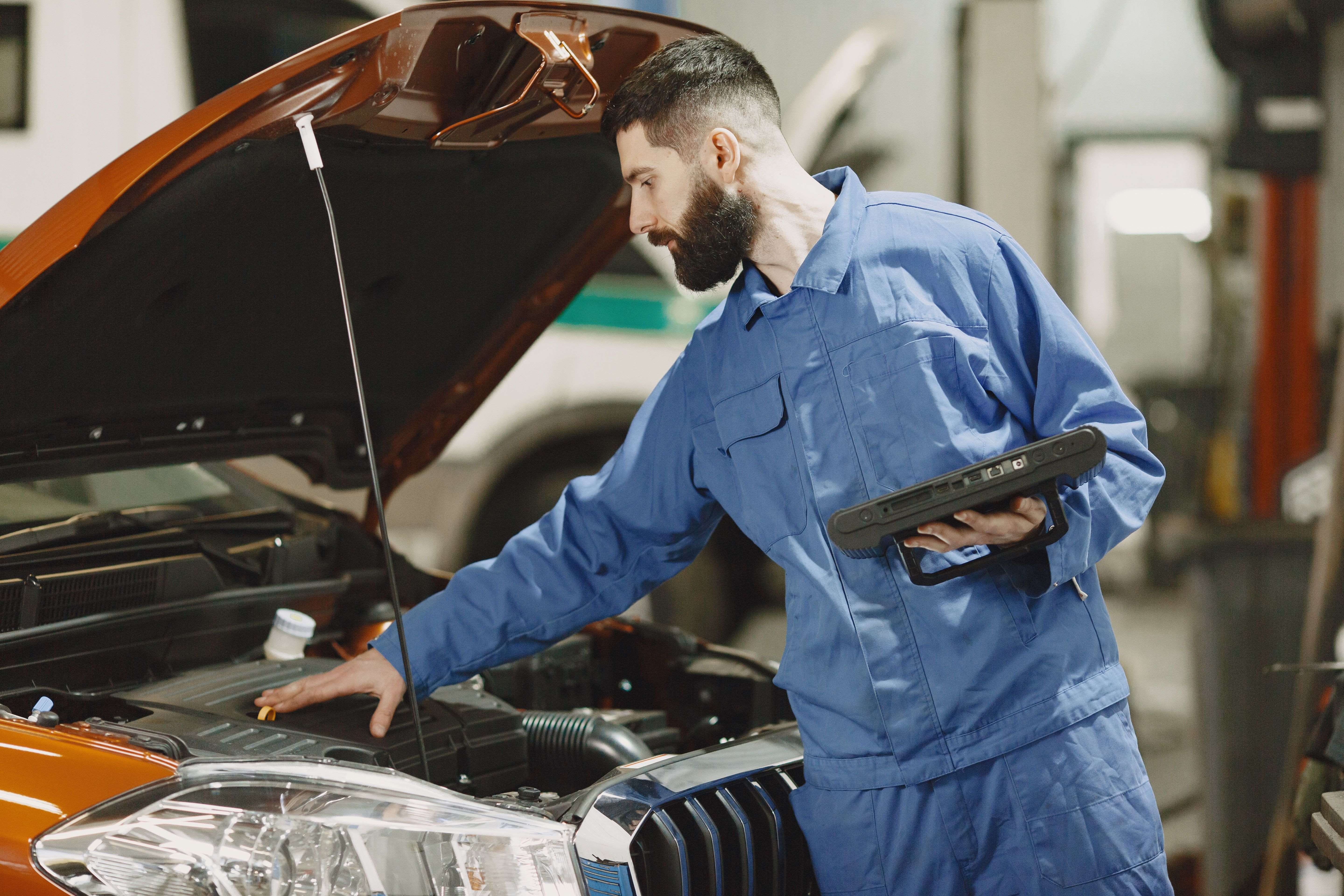
Check Under the Hood
You do not have to be a mechanic, but spending two minutes under the hood can tell you a lot.
- Oil: pull the dipstick. Clean, light-brown oil is good. Black, gritty oil means it is overdue for a change. Milky or foamy oil can indicate a head gasket problem.
- Coolant reservoir: it should be between the min and max lines. Check the color. Rusty or murky coolant is a sign of deferred maintenance.
- Belts and hoses: look for visible cracks, fraying, or wear. A cracked serpentine belt or a soft radiator hose is a sign of maintenance that has been put off.
- Battery terminals: white or blue buildup on the terminals means corrosion, which can cause electrical issues.
- Leaks: look at the ground under the car after it has been sitting. Spots from oil, coolant, or brake fluid are worth asking about.
Test the Suspension and Brakes
This is one of the most important used car quality check steps, and it takes about 30 seconds.
Before the test drive:
- Press down hard on each corner of the car. It should bounce once and return to position. Multiple bounces mean worn shocks or struts.
- Look at the tires. Uneven wear on the inside or outside edge can indicate alignment problems or worn suspension components.
During the test drive:
- Brake firmly at moderate speed. The car should stop straight, with no pulling, grinding, or pulsing through the pedal.
- Listen for clunking or rattling over bumps. These sounds often point to worn control arm bushings or sway bar links.
Take It for a Real Test Drive
A test drive around the block tells you almost nothing. Ask to drive it for at least 15 to 20 minutes, including highway speed if possible.
- Transmission shifts: automatics should shift smoothly with no jerking or delay. Manual transmissions should feel crisp, not grinding.
- Steering: at highway speed, the car should track straight with no wandering or pulling to one side.
- Engine behavior: acceleration should feel linear. Hesitation, surging, or rough idle are warning signs.
- Heat and air conditioning: test both. HVAC repairs can be expensive.
- Vibration: feel the steering wheel and floorboards for vibration at highway speeds. This often points to tire balance or wheel bearing issues.
Ask About the Maintenance History
A seller who has kept records is a seller who has taken care of the car. Ask for oil change records, timing belt or chain service, brake service records, and any recalls and whether they were addressed.
If the seller cannot provide records, that is not automatically a dealbreaker, but it is worth factoring into your decision and your offer.
Consider a Pre-Purchase Inspection
If you are buying from a private seller, paying a mechanic $100 to $150 for an independent pre-purchase inspection is one of the smartest things you can do. It can surface problems that are not visible to the eye and give you leverage in negotiations.
When you buy from a dealership like Northland Motorcars, vehicles go through an internal inspection process. You can also ask about warranty options at the time of purchase, which can provide additional coverage beyond the sale.
Protect the Vehicle You Buy
Once you have found a vehicle you are confident in, keeping up with routine maintenance is what keeps it reliable for years. Oil changes, tire rotations, brake inspections, and fluid checks are the basics.
Northland Motorcars has a Service Center that handles routine maintenance for the vehicles we sell. Staying on top of scheduled service is the single biggest thing you can do to protect your investment after the purchase.
Frequently Asked Questions
What should I check first when buying a used car?
Start with the vehicle history report. Pull the Carfax or equivalent and review it before you look at anything else. It gives you a baseline for every conversation about the car.
Is a pre-purchase inspection worth it?
Yes, if you are buying from a private seller. It typically costs $100 to $150 and can reveal mechanical issues that are not visible during a test drive. Many dealerships will also let you bring in a mechanic.
What warning signs should I watch for on a test drive?
Pay attention to pulling during braking, rough shifting, vibration at speed, warning lights that stay on, and any unusual noises over bumps or during acceleration. Any of these can mean an expensive repair.
How do I know if a used car has hidden water damage?
Look for musty odors, rust on the seat brackets or floor pan, water stains on the carpet or headliner, and fogging or moisture in the taillight lenses. These are signs a vehicle may have been in a flood.
Does Northland Motorcars offer warranties on used vehicles?
Warranties are available at additional cost on many vehicles. Ask about the warranty options when you find a vehicle you are interested in. We will walk you through what is available for that specific car.

